EveryEvent Costa Rica

Browse All Events

Find every event in Costa Rica

events

Concerts & Live Music
Festivals
Sports & Recreation
Food & Drink
Arts & Culture
Community
Family & Kids
Nightlife
Comedy
Theater
Popular Destinations
BaliSedonaLos AngelesCosta RicaNew YorkSan FranciscoAustinMiamiJoshua TreeTulum
View All CategoriesView All Destinations

Explore All Features

Powerful tools to grow your events

Platform Features

Smart Dynamic Pricing
Ticket Categories
Assigned Seating
Abandoned Cart Recovery
Visitor Recovery
Donations & Sliding Scale
Affiliate Engine
Ticket Scanner
Coupon Codes
Custom Questions
Ticket Sharing
Upsells & Add-ons
Analytics & Reporting
Email Sequences
Waitlist / Notify / Remind
Explore
Discovery HubArtists & PerformersVenuesKnowledge Base
View All FeaturesAbout Us
PricingBlog
Browse All Events

events

Concerts & Live MusicFestivalsSports & RecreationFood & DrinkArts & CultureCommunityFamily & KidsNightlife

Popular Destinations

BaliSedonaLos AngelesCosta RicaNew YorkSan Francisco

Explore

Discovery HubArtists & PerformersVenuesKnowledge Base

Platform Features

Smart Dynamic PricingTicket CategoriesAssigned SeatingAbandoned Cart RecoveryVisitor RecoveryDonations & Sliding ScaleAffiliate EngineTicket ScannerCoupon CodesCustom QuestionsTicket SharingUpsells & Add-onsAnalytics & ReportingEmail SequencesWaitlist / Notify / Remind
View All FeaturesAbout Us
PricingBlog
Log inSign UpEvent Organizers
  • Browse All Events
  • Concerts & Live Music
  • Festivals
  • Sports & Recreation
  • Food & Drink
  • Arts & Culture
  • Community
  • Family & Kids
  • Nightlife
  • All Categories →
  • All Destinations →
  • For Promoters
  • For Artists
  • For Venues
  • For Festivals
  • For Event Spaces
  • For Nonprofits
  • For Bloggers
  • For Speakers
  • Brand Ambassador
  • Case Studies
  • 350K+ Buyer Network
  • Abandoned Cart Recovery
  • Smart Dynamic Pricing
  • Ticket Categories
  • Recurring Events
  • Assigned Seating
  • Affiliate Engine
  • Waitlist / Notify
  • Ticket Scanner
  • Embed Widget
  • All Features →
  • About
  • The Ecosystem
  • Blog
  • Glossary
  • Inspiration
  • Help Center
  • Contact
  • API Docs
  • Brand Assets
  • Careers
  • Press
  • Terms of Service
  • Privacy Policy

Events

  • Browse All Events
  • Concerts & Live Music
  • Festivals
  • Sports & Recreation
  • Food & Drink
  • Arts & Culture
  • Community
  • Family & Kids
  • Nightlife
  • All Categories →

Getaways

  • All Destinations →

For Organizers

  • For Promoters
  • For Artists
  • For Venues
  • For Festivals
  • For Event Spaces
  • For Nonprofits
  • For Bloggers
  • For Speakers
  • Brand Ambassador
  • Case Studies

Features

  • 350K+ Buyer Network
  • Abandoned Cart Recovery
  • Smart Dynamic Pricing
  • Ticket Categories
  • Recurring Events
  • Assigned Seating
  • Affiliate Engine
  • Waitlist / Notify
  • Ticket Scanner
  • Embed Widget
  • All Features →

Company

  • About
  • The Ecosystem
  • Blog
  • Glossary
  • Inspiration
  • Help Center
  • Contact
  • API Docs
  • Brand Assets
  • Careers
  • Press
  • Terms of Service
  • Privacy Policy
EveryEvent
© 2026 EveryEvent Costa Rica. All rights reserved.
Inspiration

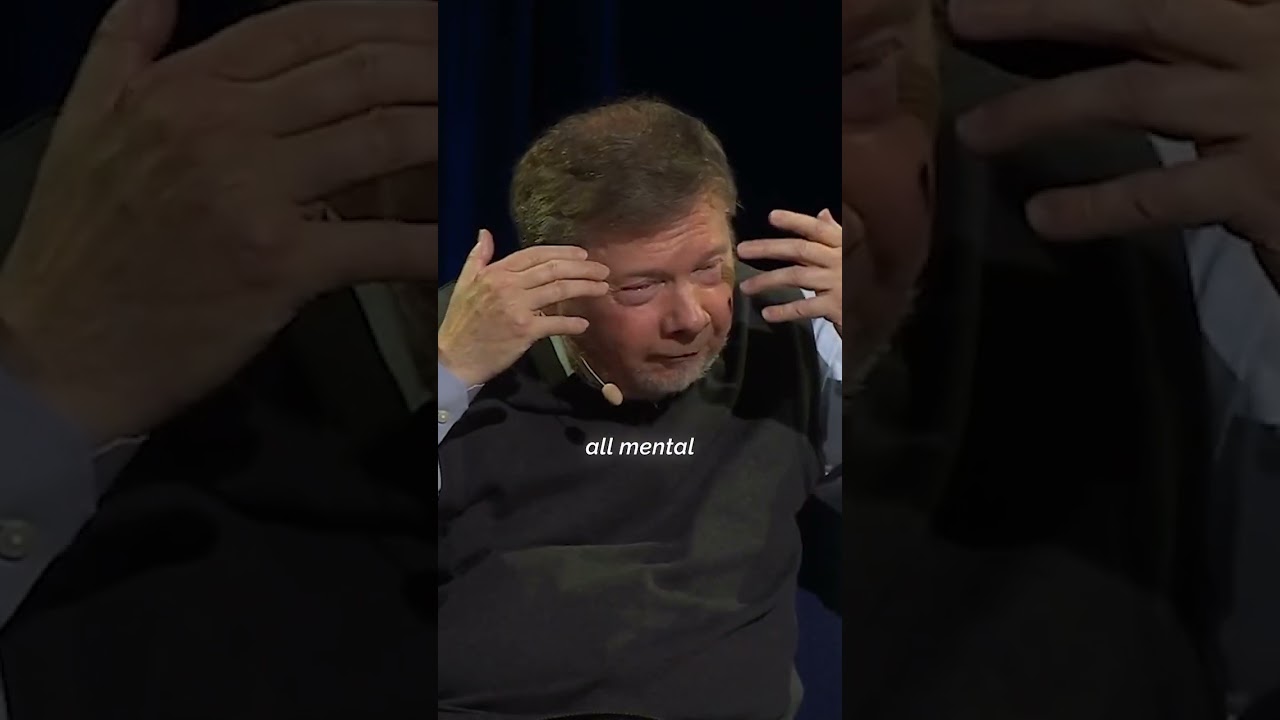
Eckhart Tolle's Influence onKendrick Lamar's Music

Eckhart Tolle
Eckhart Tolle
Jan 28, 2026
6 min read
TLDR: Eckhart Tolle, the spiritual teacher best known for The Power of Now, has become a notable influence on Kendrick Lamar's hip-hop music. Tolle's core teachings on the power of present-moment awareness, the role of the ego in human suffering, and the distinction between the thinking mind and true consciousness have found their way into Lamar's lyricism and artistic vision. This unlikely connection between contemporary spirituality and modern rap demonstrates how teachings on presence and self-awareness can transcend genre boundaries and inform artistic expression at the highest levels.

Read · 6 sections

What Is Eckhart Tolle's Central Teaching?

Eckhart Tolle's spiritual philosophy centers on the concept of the "power of now"—the idea that true freedom and peace come from full presence in the current moment rather than being trapped in thought patterns about the past or future. Tolle distinguishes between the thinking mind (which is constantly generating narratives, judgments, and projections) and consciousness itself, which is the aware space in which thoughts appear. According to his framework, most human suffering arises from identification with the voice in one's head—what he calls the "ego"—rather than from actual present circumstances.

The ego, in Tolle's view, is not a self or soul but rather a functional identity constructed from past conditioning, trauma, and social programming. It thrives on a sense of lack, comparison, and the need to be "special" or superior to others. Breaking free from ego domination requires recognizing the presence of the thinking mind without being controlled by it, and shifting awareness to the body, breath, and sensory experience of the present moment. This shift, Tolle argues, releases creative energy and allows genuine compassion, peace, and authentic action to emerge.

How Do These Teachings Appear in Kendrick Lamar's Work?

Kendrick Lamar's incorporation of Tolle's ideas reflects both a thematic and structural engagement with consciousness and self-examination. Lamar is known for introspective lyricism that questions ego, identity, and moral accountability—themes that align directly with Tolle's spiritual framework. Where a conventional rapper might assert dominance or glory, Lamar often turns the lens inward, examining the ego structures he himself embodies as a public figure and artist.

In his albums, particularly works like good kid, m.A.A.d city and To Pimp a Butterfly, Lamar explores inner conflict, the tension between material success and spiritual emptiness, and the mechanics of how the mind constructs narratives about suffering. This aligns with Tolle's diagnosis: that the thinking mind creates suffering through its compulsive storytelling, and that awareness of this mechanism is the first step toward freedom. Lamar's willingness to interrogate his own ego—his success, his pride, his justifications—mirrors the spiritual work Tolle describes.

What Is the Broader Significance of Spirituality in Hip-Hop?

The appearance of Tolle's influence in Kendrick Lamar's music signals a broader shift within hip-hop. While the genre has always carried elements of spiritual and philosophical inquiry—from the Five Percent Nation teachings in 1990s hip-hop to the existential questioning in Nas and Jay-Z's early work—the integration of contemporary Western spiritual frameworks is relatively recent. Hip-hop's emphasis on authenticity and truth-telling naturally lends itself to spiritual exploration, and artists like Lamar have used platforms of immense cultural influence to make subtle but powerful references to teachings on consciousness and presence.

This represents a departure from earlier eras when spiritual content in hip-hop was often dogmatic or explicitly religious. Instead, Lamar engages with secular, phenomenological spirituality—the direct investigation of consciousness and suffering that Tolle teaches. This approach resonates with audiences searching for meaning without the constraints of institutional religion.

How Does Presence Challenge the Ego's Narrative?

At the heart of both Tolle's teaching and Lamar's artistic interrogation is the question: What happens when you stop believing your thoughts? Tolle argues that most people are hypnotized by their own mental narratives—stories about who they are, what others think of them, what they deserve, what they fear. These narratives are not reflections of reality but constructions of the ego seeking safety and superiority.

In hip-hop, the ego is celebrated and foregrounded. Artists are expected to have a powerful persona, a distinctive voice, a brand. Yet Lamar's work suggests a deeper literacy: the ability to perform the ego while simultaneously observing it, to use the persona of a rapper while remaining aware that the persona is not who he is. This doubled consciousness—performing the ego while maintaining awareness that the performance is not the truth—is a sophisticated application of the spiritual principle Tolle teaches. It allows Lamar to engage fully in the world (making powerful, ambitious music) without being enslaved by ego identification.

What Role Does Suffering and Awareness Play in Both Teachings?

Both Tolle and, in his own artistic language, Lamar recognize that suffering is not primarily caused by external circumstances but by the mind's relationship to those circumstances. Tolle teaches that pain (physical or circumstantial) is inevitable, but suffering (the mental and emotional reaction to pain) is optional—it arises from resistance, from the mind's insistence that reality should be different than it is. Lamar explores this territory through his depictions of violence, poverty, and systemic injustice in Los Angeles. Rather than presenting these as simply external evils, he often examines how they lodge in the psyche, how they shape the narrator's sense of self, and how awareness of these mechanisms offers a kind of freedom.

This is not to suggest that Lamar is merely spiritualizing away systemic injustice. Rather, he recognizes—in alignment with Tolle's framework—that lasting change requires both external action and internal freedom. You cannot fight oppression effectively if you are enslaved by reactivity and unconscious patterns. Awareness of your own mind and its conditioning is itself a form of power.

Where to Go From Here

For listeners and readers interested in exploring this intersection further, Tolle's written works—particularly The Power of Now and A New Earth—provide the foundational teachings in accessible language. Engaging with Kendrick Lamar's discography with an eye toward these themes of presence, ego-observation, and the examined mind can deepen appreciation for both his artistry and the spiritual frameworks informing it. The conversation between contemporary spirituality and hip-hop is still unfolding, and understanding how teachers like Tolle have influenced major artists offers insight into how consciousness work translates across domains—from the meditation cushion to the recording studio to the listener's own mind.

]]>
Eckhart Tolle
AuthorEckhart Tolle

German-born spiritual teacher whose 1997 book The Power of Now became one of the most widely read spiritual works of the 21st century. After a profound transformation at 29 — movin…

View profileWebsite
Explore Topics
PresenceConsciousnessEgoKendrick-lamarSpirituality-music

Got Questions?

Frequently Asked Questions

Tolle teaches that the thinking mind constantly generates narratives about the past and future, creating suffering. True peace comes from recognizing the distinction between the thinking mind and consciousness itself, then shifting awareness to the present moment and sensory experience rather than thoughts.
Lamar explores themes of ego-observation, inner conflict, and the mechanics of how the mind constructs narratives about suffering—core elements of Tolle's teaching. His introspective lyricism questions identity and moral accountability in ways that align with Tolle's framework of spiritual freedom through awareness.
In Tolle's view, the ego is not a true self but a functional identity built from past conditioning and social programming. It thrives on lack, comparison, and the need to be special, and causes suffering through identification with the thinking mind's narratives.
Yes, according to Tolle's teaching. True peace comes not from avoiding action but from acting without being enslaved by ego identification. Lamar's music demonstrates this doubled consciousness—performing with ambition and power while remaining aware that the persona is not who you fundamentally are.
Tolle distinguishes between pain (external or circumstantial) and suffering (the mind's resistance to reality). Presence dissolves suffering by reducing resistance and the mind's insistence that things should be different, while pain itself may remain.
Hip-hop has a tradition of philosophical and spiritual inquiry. Contemporary artists like Kendrick Lamar use secular, phenomenological spirituality to explore consciousness and authenticity—themes that resonate deeply with hip-hop's emphasis on truth-telling and self-examination.

Continue Reading

More from Eckhart

View All
God Beyond the Sky: Rethinking Divine Nature
Featured

God Beyond the Sky: Rethinking Divine Nature

God is not an external judge deciding human suffering. Suffering itself becomes the mechanism through which consciousness awakens to itself.…

1 min read
God, Suffering, and the One Life Across Traditions
Featured

God, Suffering, and the One Life Across Traditions

Eckhart Tolle explores how Islam, Buddhism, and Greek philosophy all point to the same ultimate reality—and why the problem of suffering dis…

1 min read
Why Humanity Cannot Sit in Silence: Disconnection from Being
Featured

Why Humanity Cannot Sit in Silence: Disconnection from Being

The root of human conflict lies in disconnection from the being dimension—the inability to find peace when alone. When disconnected from bei…

1 min read
Who You Really Are Beyond Surface Identity
Featured

Who You Really Are Beyond Surface Identity

You are not your body, name, or conditioned mind. Eckhart Tolle reveals the distinction between surface identity and deeper being.…

1 min read

Keep exploring

Continue your journey

More wisdom and gatherings from across the BrightStar directory.

More Articles

Browse the full library of teachings, interviews, and guides.

Back to all articles →

Teachers & Artists

Explore the lineages, musicians, and guides of the conscious world.

Explore artists →

Find an Event

Kirtan, retreats, sound baths, breathwork, festivals — happening soon.

Browse events →
Read more from BrightStarCreate Free Account
Host your own gatherings?Try the Demo